Even if it's still not easy, traveling with pets in 2026 is prevalent in India. The pet parent is entirely accountable, and there are strict regulations and high standards. A much better progress has been made in terms of understanding, infrastructure, and acceptance. Trains do really allow pets, but only in specific circumstances. Dogs are warmly welcomed in high-end residences, pet-friendly cafes advertise their policies, and access to healthcare is more convenient than ever before.
Rather than being a mere anticipation, this handbook is intended to be a practical resource. How to travel to India with dogs in 2026 without stress is covered, along with what works and what doesn't if you don't plan beforehand.
Check Your Health, Gather Your Documents, and Get Ready Before You Go
Preparation and documentation are the cornerstones of a good journey with a pet. Your dog needs all of its vaccinations, particularly those against rabies, and a record of those vaccinations with the exact dates, no matter what method you use. Particularly if you are embarking on a long journey, it is crucial to obtain a health certificate from a veterinarian just before you leave.
Microchipping has become standard procedure. If a pet gets lost, it's much easier to locate and return them if they have a microchip. Be sure to always wear a collar with a visible ID tag and your phone number, regardless of whether your dog has a chip or not.
A brief note from your veterinarian is required if your canine has allergies, a chronic condition, or requires daily medication. If you ever find yourself in need of a new veterinarian while traveling, this will keep things organized and save you time in an emergency.
The last step is to prepare your dog for travel. Traveling to unfamiliar places like train stations or hotel lobbyes can be challenging for some dogs. Crate training, short car rides, exposure to loud noises, and practicing self-control among strangers can all help.
First-Class Rail Travel in India with Pets
Traveling long distances by train is still the most practical option for medium and large dogs in India. However, you must adhere strictly to the rules.
In order for dogs to travel on Indian Railways, they must be seated in First Class or First AC and the entire cabin or coupe must be reserved for their owner. Your PNR can only be for a two- or four-person cabin, so be sure to specify which one when making your reservation. Open berths, shared compartments, and general coaches are off-limits to pets.
Concerns for containment and safety need this regulation. You won't have to worry about being in close quarters with other people who could be allergic to something because First Class cabins are private and segregated.
No pet is allowed to travel with you even if you purchase a First-Class ticket. Requesting the cabin or coupe for yourself is a must. It is common practice to visit the railway office located at your boarding station after purchasing your ticket to accomplish this. The available person is the one who decides on approval.
Pets can be brought in for an additional cost once they have been approved. According to railway regulations, the pet is considered to be the same as a specific amount of baggage when calculating the amount. Before you depart, make your payment at the station's booking office.
On the day of your journey, arrive early. Keep Fido in a carrier or on a leash while you're at the station. Upon entering the cabin, make sure your dog has their usual bedding, water, and comfort items ready to help them relax.
Leaving your dog unattended in a train cabin is absolutely unacceptable. Use an absorbent pad if you need to and make sure to use the restroom before boarding. Do not delay in picking up trash; cleanliness is of the utmost importance.
You shouldn't even bother boarding your dog if you can't secure a private plot. Both the owner and the pet may experience a great deal of stress as a result of the platform's refusal.
How to Make the Most Efficient Road and Air Travel Decisions
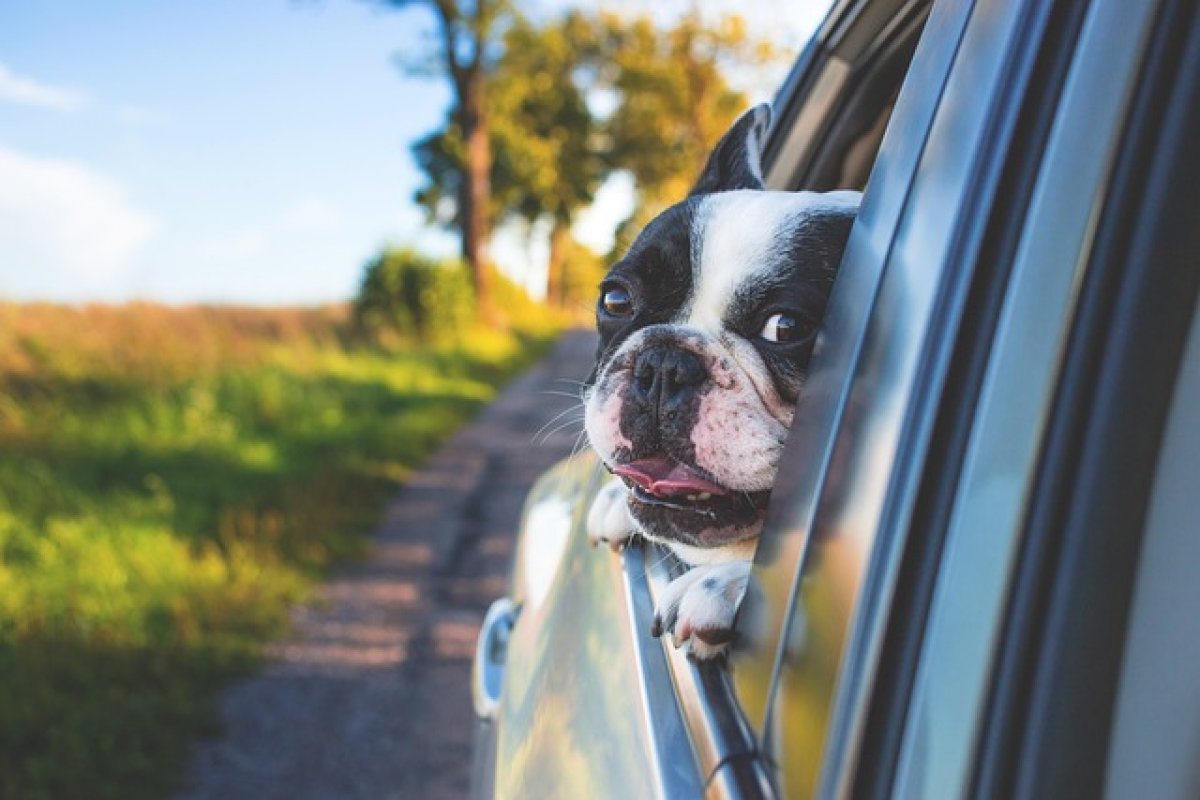
When you go by automobile, you have the greatest freedom. Be sure there is enough air circulation in the car, take short breaks every two or three hours, and never leave your dog unattended in a parked vehicle. We strongly recommend using a cage or a harness that fastens to a seatbelt.
Air travel is more difficult. If they can fit in approved carriers, small dogs may be able to travel in the cabin on certain flights. Under supervised circumstances, larger dogs typically travel in the cargo hold. Make sure you know the airline's policies on dogs before you fly, and try to avoid flying during the hottest parts of the year if you can.
For dogs who are anxious about traveling or are experiencing travel anxiety for the first time, road vacations are often the most comfortable option.
Elegant Alibaug Villas That Accept Pets: A Way to Stay in Style
In recent years, Alibaug has emerged as a top destination in western India for pampered pets. Dogs are now welcome at many private residences. Their staff is accustomed to caring for pets, and they offer private pools and guarded gardens.
On the other hand, "pet-friendly" does not mean "no rules." Each villa has its own set of rules about maximum occupancy, permitted pets, and use of common areas like pools and furniture. Obtain a written confirmation that your dog is welcome at all times.
Most importantly, make sure there is close proximity to a vet, covered outdoor areas, and safe fencing. Villas with private lawns are much more dog-friendly than apartments.
There may be additional fees for cleaning and, in certain situations, a refundable security deposit. You can't go wrong with these. Beds, bowls, and even on-call pet sitters are common in luxury villas.
Remembering to be polite is crucial. Remind your employees of feeding times, remind them to leash dogs when workers are around, and remind them to clean up immediately thereafter. In the future, everyone will appreciate it when pets are well-behaved and easy to schedule.
Ensuring Your Comfort Throughout Your Visit
Maintaining a regular routine for your dog will help them adjust to their new home. Be consistent with their feeding schedules, utilize their familiar bedding, and take it easy when you first bring them out into the world.
Avoid going too close to the water because of the heat. Early in the morning or late at night, walk your dogs. Make sure they have a constant supply of fresh water and somewhere cool to rest in the shade.
Make sure to give your dog a good rinsing after swimming to avoid irritating their skin. To avoid infecting your ears, be cautious when drying them.
A Comprehensive Manual on Canine First Aid
Minor injuries can be prevented from becoming major ones with a well equipped first-aid pack. Do not leave this kit in your vehicle or luggage; instead, bring it with you.
The essentials for wound care include canine-safe antiseptic solution, non-stick gauze pads, adhesive tape, self-adhering bandage wrap, and sterile saline for wound washing. These simplify the processes of cleaning and bandaging minor wounds.
Tools to reduce bleeding, such as styptic powder or clotting powder, are crucial, particularly in cases of nail injuries. Any dog, no matter how kind, can bite in pain, thus it's best to equip them with a soft muzzle.
Some examples of monitoring gear are disposable gloves and digital thermometers. You can detect hypothermia or fever in your dog sooner if you are familiar with its normal temperature.
Be sure to consult your veterinarian before giving your pet any medication. Under no circumstances should you ever give someone medication to alleviate discomfort. Be sure to include your dog's prescribed anti-inflammatory medications, allergy medication (if necessary), and dog-friendly rehydration solutions.
In case of an emergency, it is recommended to keep the following items on hand: a shock blanket, an extra leash and collar, a collapsible water dish, and absorbent pads.
Include current photos of your dog, proof of vaccinations, vet contact information, microchip details, and any other relevant paperwork. Remember to save a digital copy on your phone just in case.
Before every travel, review this bundle and make any necessary additions.
Handling Last-Minute Problems Anywhere You Are
Remember to remain composed in the event that your canine sustains an injury. Stop the bleeding by applying pressure to the wound; then, clean it gently and refrain from moving it further. Do not delay in taking your pet to the doctor.
Quickly bring your hot dog into shade, offer them little amounts of cool water, and apply cool compresses to their paws and belly if they're feeling stressed out.
Unless a veterinarian instructs you to do so, do not induce vomiting in a person you suspect of having been poisoned. Make an immediate phone call to a veterinary emergency service.
Achieving better results is often as simple as being calm and prepared.
Bangalore cafes that allow dogs
One of the most active pet-friendly clubs in India is based in Bangalore. Having dogs is often welcomed by cafés, particularly those with outside seating spaces.
Trippy Goat Café has a reputation for being a pet-friendly hangout spot. The Peck includes outdoor seating and friendly staff, which pet owners like. Those in search of peace and quiet often visit Nerlu Café with their canine companions.
Always contact or message ahead of time because policies sometimes change. Remember to bring water for your dog, keep them on a leash, and be kind to other customers.
Mumbai cafes that allow dogs
Pets are slowly but definitely making their way into Mumbai café culture. Coffee shops in Bandra, Andheri, Versova, and Juhu often allow dogs on the patio.
Andheri West dog owners like to adore Magari. Pets are welcome in several of Versova's outdoor cafés, provided they are well-behaved. You can find cafes that cater primarily to canines and a select few to humans.
Always double-check the regulations before setting out. Get out of there and clean up immediately if your dog is nervous or overly excited.
Acting appropriately and courteously in public
Being pet-friendly doesn't mean you have to tolerate pets no matter what. Never stop paying attention to those around you. Remember to leash your dog, limit their barking, and be considerate of other people's space.
Keep your dog at a safe distance from strangers unless you give them permission. It is inappropriate to feed dogs human food in public areas. Remove any mess as soon as possible.
Proper conduct guarantees that pets can continue to be allowed in public spaces.
Organizing a trip for your pet
Bringing pets on a trip increases the price. Think about things like transportation expenses, health certificates, vet visits, villa cleaning fees, and emergency funds.
Pets may incur additional fees at certain luxury properties. Trains must pay for the carriages they use. The need to take your pet to the vet is always unexpected.
Better care for your pet and less stress can be yours with some pre-planning of your budget.
Emergency travel preparations
Verify that your reservations are in writing, gather your first aid supplies, double-check all of your documents, and arrange for your pet to visit the vet upon your arrival.
Before you go, give your dog a drink of water and make sure he or she is comfortable. Confidence in yourself will dictate how your dog acts.
Ending Remarks
You must still exercise responsibility when traveling with pets in 2026, even though it is normal practice. Your relationship with your dog will grow stronger and you will both benefit from more opportunities for adventure if you plan it well.
Things are slowly shifting in cities, homes, cafes, and trains. How successfully pets travel depends on how well their owners obey the regulations, are prepared, and are courteous.
If you prepare ahead of time, have patience, and are prepared, traveling with your dog may be safe, respectable, and enjoyable.