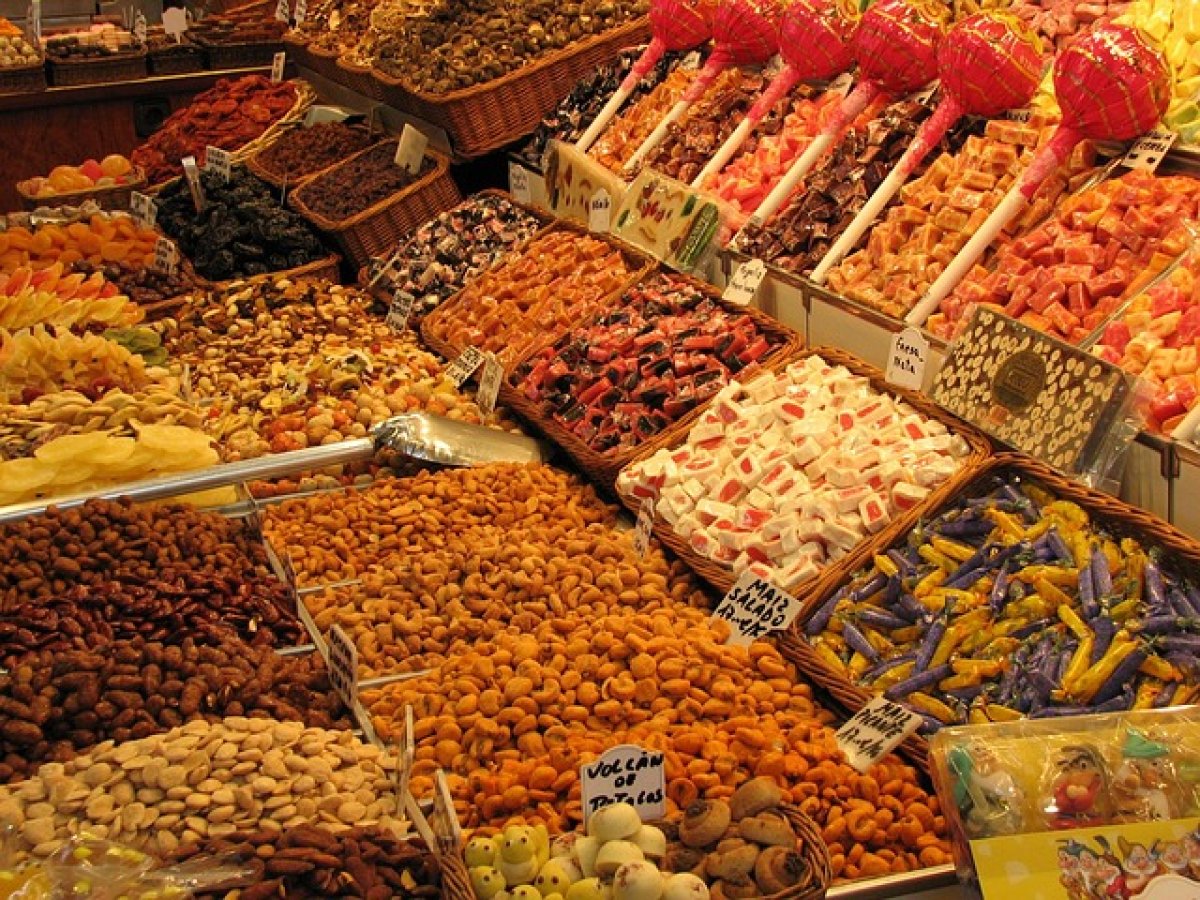
Food has always played an integral role in Indian travel. However, the majority of tourists just consume what is served to them, whether it's breakfast at the hotel, cuisine from restaurants, or those ubiquitous street snacks. But that's not all grocery shopping tourism is. Going to a restaurant for cooked food isn't the point; what matters is getting the ingredients for everyday cooking. Topics include spices packaged in newspaper, mountain-dried cheeses, chilies dried on bamboo mats, and hand-sold grains from sacks that have provided sustenance to generations.
By 2026, grocery tourism had grown into a major industry. Markets, farms, and producers are becoming more important to tourists than monuments. They return home with bags that are reeking of spices and grime, carrying with them ingredients that aren't found in store-bought meals.
Due to its diverse agricultural landscape, India is an ideal destination for this kind of trip. Every town has those pantry staples that locals don't give much thought to, but tourists definitely do. Seasonality, lack of regulation, and a strong connection to local culture and geography characterize these aspects.
Using the "secret pantry" items as a lens, this book examines food tourism in 10 different Indian towns. Along with directions to the local markets selling these wares, it explains how to spot authentic items from imitations.
Could you perhaps explain grocery tourism and its significance?
Grocery tourism is exploring a destination through the local raw ingredients. While "gourmet tourism" focuses on discovering new foods to cook at home, "culinary tourism" emphasizes dining out.
Travels like these reveal the true ways that people prepare and consume food. Geographical features, topography, historical sites, and trade routes are all brought to light. Every spice has a backstory, from the arrival of the monsoon to storage instructions and personal preferences in flavor.
Traditional farming practices, women-led markets, and small-scale farmers in India benefit from grocery tourism as well. These groups struggle to compete with large-scale food processing industries. Tourists play a crucial role in sustaining these rural economies when they purchase goods directly from merchants.
A Guwahati, Assam Dish of Bhut Jolokia with Fermented Bamboo Shoots
The pantry in Assam is impacted by rain, humidity, and fermentation. The gateway to this culinary tradition is Guwahati. The ingredients sold in its markets are robust, peppery, and sourced from the area.
Ghost pepper, or Bhut Jolokia, is among the world's hottest peppers. True Bhut Jolokia isn't always crimson or sparkly, which is something many grocery shoppers are unaware of. There is a distinct smokiness to the aroma of dried peppers, and they can take on a variety of forms and even some wrinkles.
False imitations abound, particularly powdered varieties made with less expensive chiles. Although it takes time for the actual Bhut Jolokia powder to start burning, it eventually does. It takes on a more fruity aroma when heated.
Assamese cuisine also frequently features fermented bamboo shoots. True ones have a strong aroma that isn't rotten, but rather unpleasant. They come in little containers or wrapped in leaves for sale. Disappointing fermentation or additives could result in too acidic or synthetic aromas.
During the early morning hours, when tribal vendors arrive in Guwahati's large bazaars, you'll find the best deals on these items. Visit the grocery store before noon, observe what the locals are purchasing, and inquire about the harvest season if you are a tourist interested in grocery shopping.
Dried Srinagar and Pampore greens with saffron, Kashmir
The altitude, cold winters, and delayed agricultural development seen in Kashmir are all reflected in its pantry. Near Srinagar, in the town of Pampore, grows saffron, one of the world's most expensive spices.
The authentic Kashmiri saffron is characterized by its deep red threads that culminate in trumpet shapes. Artificial or mixed-quality strands will have a vibrant orange or yellow hue. True saffron retains its form and gradually loses its color when immersed in warm water. It doesn't take fake saffron long for it to bleed and crumble.
Another lesser-known Kashmiri delicacy is dried leafy leaves. They are usually sun-dried and stored for the winter. With their robust flavors, these greens are staples in traditional cuisine. They don't go out of style too often.
Near Srinagar, in the spice lanes and floating marketplaces, you may find the best dried greens and saffron. Avoid buying the large-packaged "tourist saffron" when you're supermarket shopping for saffron. They ought to seek out vendors instead who offer strands in their natural state.
Traditional Amritsar, Punjab, Desi Ghee and Spice Blends Made by Hand
Punjabi cuisine is known for its dairy products and robust spices. Tourists visiting Amritsar's supermarkets are less interested in the restaurants and more in the products used in the local cuisine.
The most crucial component is desi ghee. Gritty, aromatic, and golden in color rather than pale yellow, authentic ghee has a distinct aroma when cooled. Many imitation ghees contain vegetable fats that give them an artificially smooth texture even when left at room temperature.
Local spice blends, like garam masala, are usually ground fresh in modest amounts. Rather than being overpowering or perfumed, the aroma of these blends is complex and nuanced.
The traditional grain merchants and ancient spice alleys surrounding temple locations are sure to be a hit with grocery store tourists. In most cases, you can get a taste or little sample from the vendor if you just ask respectfully.
Jaipur, Rajasthan is the origin of Mathania chilies and desert beans.
The pantry of Rajasthan is severely understocked. This recipe's ingredients are designed to withstand hot and dry conditions.
Colorful and mild, Mathania chilies are a crowd pleaser. The dried Mathania chilies are long and skinny have a deep reddish-purple hue. When crushed, they impart a vibrant red hue to dishes without overpowering the taste.
Drying beans in the sun and storing them for months is another expertise. You have to soak these beans before you can use them, and they smell like dirt.
False Mathania powder is often colored with artificial dyes. Authentic powder doesn't leave an obvious fingerprint and has a subtle, sweet aroma.
The old grain markets of Jaipur, particularly the ones that cater to local families, are the best spots to find these products.
Mumbai, Maharashtra's Malvani Masala and Kokum
The grocery tourism scene in Mumbai is a reflection of the city's transformation brought forth by the beach and trade. Traditional Konkani cuisine calls for a blend of coconut, chilies, and spices called malvani masala.
The aroma of authentic Malvani masala is smoky and nutty, not overpowering. Commercially prepared versions sometimes rely heavily on chili heat and lack the freshness of coconut.
A souring agent, dried kokum is a coastal delicacy. The actual kokum petals take on a rich pink hue when submerged in water. The pieces are of low quality if they are white or easily broken.
Traditional markets in older coastal areas and early-opening fish markets are often the greatest places to find the best spice vendors.
Located in Kolkata, West Bengal, Panch Phoron and Mustard Oil
What sets Kolkata's pantry apart is its delicate balance. Panch phoron is a spice blend that calls for five intact, uncrushed seeds. The proportions of nigella, cumin, fennel, mustard, and fenugreek are all identical in authentic blends.
Inauthentic or low-quality blends frequently include an excess of fenugreek or nigella and omit the latter. The aroma of authentic panch phoron is powerful, slightly bittersweet, and somewhat acrid.
Mustard oil is another crucial component. A deep brown hue and a pungent aroma characterize authentic cold-pressed mustard oil. Refined varieties lack the pungent aroma and flavor of the original.
Near historic neighborhoods, you can find these items at local spice streets and wet markets.
Chennai, Tamil Nadu: Spice pastes made from sea salt and spices pounded by stone
The recipes in Chennai's pantry feature rice, fermentation, and high heat. Fresh, stone-ground spice pastes are still sold in some markets.
These pastes spoil quickly, which is why they aren't exported very often. Real pastes have a pleasant, not sour, aroma and are best used soon after preparation.
Traditional coastal sea salt is another undiscovered treasure. There is some moisture in real sea salt crystals, and the minerals aren't uniform in size.
Grocery shopping in Chennai is best done at one of the city's several large wholesale markets located in its old commercial districts. Visiting early ensures that you get the freshest stuff.
Coonoor, Tamil Nadu: Home of Artisanal Cheese and Tea
Coonoor's distinct dairy culture emerged as a result of the region's cold climate and colonial history. Local milk is used to make artisanal cheeses here, and they are made in small batches.
Not all real cheeses look the same and can have varying textures. Industrial knockoffs lack character and aroma.
Local teas grown on neighboring estates are another famous product of the region. The fragrant and full-leafed real estate tea has a pleasant aroma. The grade of the leaves is low if they are dirty or broken.
It is more advisable to purchase food from local small dairies and bakers rather than from large supermarkets. Shoppers would do well to inquire about the production date and storage instructions of the goods they purchase at the supermarket.
Spices and coconut goods from Kochi, Kerala
The staple food of Kerala is coconut, in all its varieties. Coconut vinegar, dry flakes, and virgin coconut oil are common ingredients.
True coconut oil has a faintly lovely aroma and solidifies when chilled. Incorporating oils into other chemicals causes them to remain liquid and odorless.
Additionally, cardamom and black pepper are two essential spices. Thick and aromatic, real peppercorns are easy to recognize. One sign of age or poor quality is a light, hollow one.
For all your culinary needs, head to the historic spice markets of Kochi, which are conveniently located near the waterfront.
Ingredients for Namkeen and Different Types of Wheat in Indore, Madhya Pradesh
While shopping for groceries, residents of Indore should keep an eye on the staples, as the city is famous for its munchies. Specialty wheats used to manufacture candies and snacks are readily available in the area.
Unpolished, real wheat grains are uniform in size. In most cases, processing causes grains to become excessively glossy.
Compared to their bottled counterparts, loose namkeen spice combinations smell and taste far better.
The Indore wholesale grain markets might have these items.
The Art of Identifying Authentic from Fake
In order to identify fake food products anywhere in India, you need to follow a few simple guidelines. Nothing seems perfect when it's real. The presence of variation in size, color, and texture is an encouraging indicator.
A person's sense of smell is crucial. Substances found in nature have a subtle, gentle aroma rather than a harsh, chemical one. Although it's not a guarantee, price can provide a clue. In general, you should be wary of really inexpensive replicas.
Whoever purchases from a merchant should be carefully observed. In order to determine the veracity of something, it is wise to consult with local residents. Shoppers should be courteous as they observe, listen, and inquire.
Tips for Safely Transporting Your Valuable Groceries
Spices should be stored in sealed containers and kept away from clothing for travelers. Liquids, such as oils, should be sealed twice.
Due to the fact that customs regulations vary from one country to another, food tourists should only bring a little amount for their own consumption.
You may easily keep track of the perishability of household items by marking their purchase date.
The Cultural Significance of Food Shopping
Tourists' impressions of a place are shaped by their grocery shopping experiences. They are active participants in daily life, not passive observers.
It takes talking, watching, and waiting to get supplies. It facilitates deeper understanding and makes travel last longer.
Many travelers find that preparing dishes using the foods they ate on their vacations helps them to remember those places and experiences.
Final Thoughts: Exploring the Pantry
A more tranquil and enlightening kind of tourism is emerging in India: grocery tourism. Markets, grain sacks, and spice jars bring travelers closer to the land, their jobs, and their families.
To begin, this guide only covers ten cities. There is always a secret pantry somewhere in every town. The joy is in stumbling upon it, one market after another.