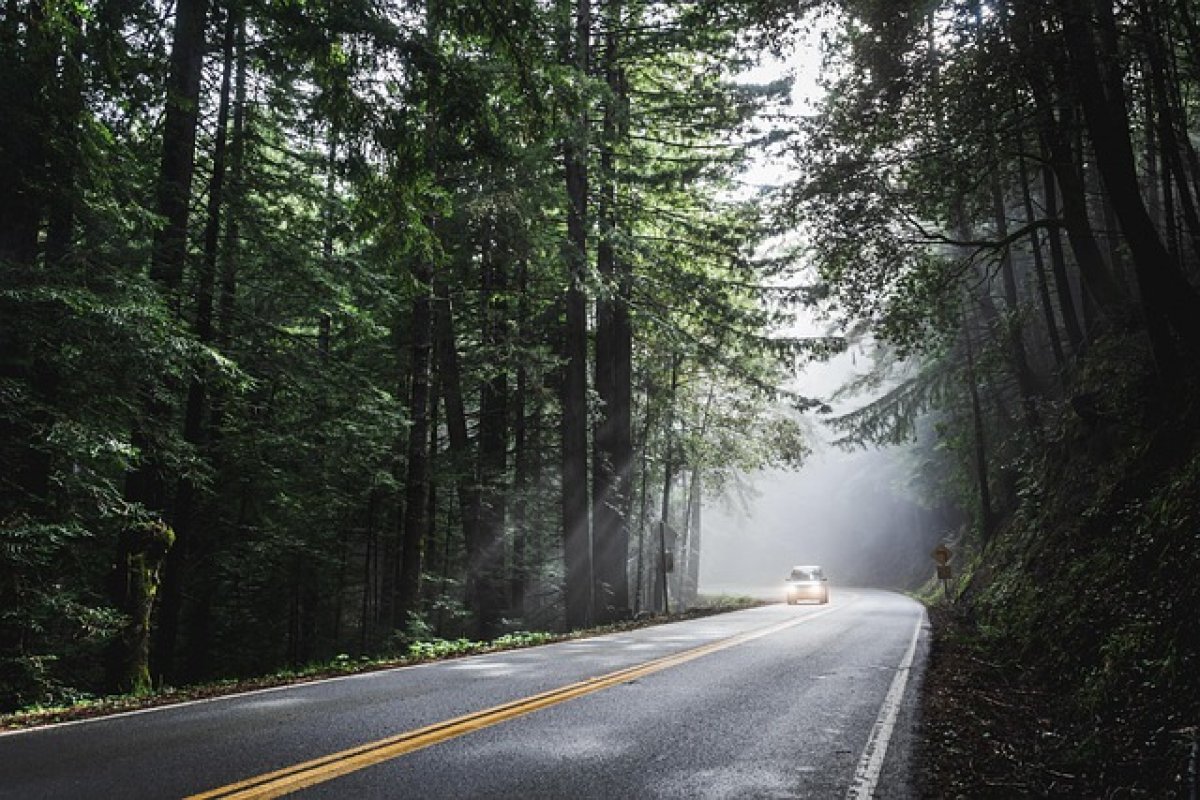
By the year 2026, traveling by car throughout India will no longer appear to be an ordeal. Unpredictable traffic, slow toll booths, unreliable rest stations, and hours-long journeys into and out of cities were the old norms of long-distance driving. Since then, people's lifestyles have evolved. Better roads, regulated access, planned rest stops, and a plethora of other things that used to annoy drivers are now taken care of by computerized systems in the background.
These two highways best illustrate this shift. More than merely a means of transportation, the Samruddhi Mahamarg and the Delhi-Mumbai Expressway serve as cultural markers. They illustrate a fresh perspective on long-distance travel, one that prioritises planning, scheduling, and route optimization above impromptu iterations. It is planned that families will take weekend road trips across states. Daytime driving distances of hundreds of kilometers are not a problem for professionals. These days, road trips aren't exciting; they're the standard.
This comprehensive analysis of this emerging culture reveals its practical functioning. How fast you can actually drive, where families actually pull over, what to do to prepare your car for long periods of high speed, how to plan a cross-city 48-hour trip, and what hidden risks are still out there are all topics covered.
What These Two Roads Did to Revolutionize Life
By cutting down on travel time, restricting access, and eliminating most urban noise, the Delhi-Mumbai Expressway transformed northwest travel. Getting around towns and traffic signals is not necessary for drivers. To maintain a constant speed, they instead drive over lengthy, straight roads.
This was accomplished for Maharashtra by the Samruddhi Mahamarg. It made the once-difficult journey from Mumbai to Nagpur seem more manageable and predictable. As a term, "highway driving" in modern India encompasses both long stretches of straight road and more narrow ones that cut through hilly landscapes.
What people expected changed because of these highways. Once motorists acclimated to the silky, high-quality roadways, the alternatives began to seem off. Because of this shift, modern road trip culture has emerged.
Limits on Speed vs. the Experience of Driving in Practice
Both roadways allow you to drive quickly in theory. Autos can reach speeds far higher than those on normal streets when traveling on flat terrain. The roads are designed for high-speed stability, with wide sightlines, adequate banking, and gentle curves.
Signs aren't the sole real-world factor influencing typical speeds. Considerations such as weather, time of day, enforcement zones, traffic, and human behavior are crucial. Getting near to the upper limits is usually easier first thing in the morning. Midday and nighttime see an increase in traffic, passing, and overall activity.
Even seasoned drivers soon learn that planning around average speed yields better results than top speed. Rather of trying to travel faster and then dealing with fatigue or traffic, it is more practical to keep going at 80-90 km/h across long distances with little stress.
Driving aggressively is no longer valued in this new culture. You need to be cautious, although you can go fast.
The reality of Indian driving styles and lane discipline
Even on the safest highways, Indian drivers' habits impact their performance on the road. The lane discipline is improving, yet there are ongoing issues. When passing, some vehicles just cruise along, while others suddenly slam on the brakes. Even with designated lanes, trucks can still move at a snail's pace.
Because of this, being cautious behind the wheel is crucial. The new roads make it less dangerous, but that doesn't mean that people won't be unexpected. The most skilled long-distance drivers are those who can relax and enjoy the ride. When they encounter slower automobiles, they maintain a safe distance, anticipate lane changes, and remain calm.
The old phrase "reach as fast as you can" is no longer used; instead it's "reach without getting tired."
Reliable Rest Stops for Families
One of the biggest changes in road trips is where people stop.
Stopping was a necessary evil in bygone eras. Because of our low petrol, the children's toilet needs, and our hunger, we had to pull over at the first dhaba we came across. The year 2026 is scheduled for stops. Safe, clean, and comfortable scheduled rest spots are chosen by families.
Contemporary rest areas include sanitary restrooms, enough parking, food shops, covered seating, medical assistance, and play areas for children. People now expect these items, rather than treating them as luxuries.
Now that they know there will be nice spots to stop every two or three hours, parents who are traveling with children or the elderly can plan breaks more frequently. Long drives become more manageable and less taxing with this constancy.
Deciding Between Modern Plazas and Timeless Dhabas
The food at long-running dhabas is just as good as the day it opened. When traveling alone or on a shorter vacation, many people choose to stop at sights that have local features.
There is a clear distinction between the quality of the facilities and the quality of the food, according to the new culture. There may be tasty cuisine at a dhaba, but there may also be issues with parking, cleanliness of the restrooms, and pricing transparency. While the food at modern plazas may be average, the buildings and cleanliness are top-notch.
Instead of clinging to the past, many families are opting for stability and predictability. Dhabas are still open to solo travelers and foodies, but they need to be cautious and mindful when they go.
Highway-Ready Vehicle Preparation
When you're going fast, issues that aren't obvious when driving in the city become more obvious.
First and foremost, the tires are important. When traveling at high speeds for an extended period of time, issues such as worn tread, incorrect pressure, or uneven wear can arise. These days, before setting out on a lengthy trip, drivers always make sure to check the tire pressure, particularly the spare.
Brakes, engine oil, coolant levels, and windshield quality take on greater significance at high speeds. You need responsive brakes and clear vision for long descents, tunnels, and sudden slowdowns.
The new culture has a different way of thinking. The automobile is more than just a means of transportation; it is a system in and of itself. On the highway, a minor issue that is insignificant in the city might quickly escalate.
Handling Soreness and Comfort
Nowadays, convenience is of utmost importance. By preventing you from being overly fatigued while driving, features like cruise control, supportive seats, adequate cabin insulation, and climate control enhance driving safety.
Not because they're exhausted, but in an effort to stave off exhaustion, drivers plot breaks. If you're having trouble concentrating after an hour of work, try taking a little break.
How individuals handle fatigue is a subtle indicator of a developed culture of road trips.
Ways to Refuel on Extended Road Trips
Strategic fuel planning has evolved. The driver no longer waits until the gauge drops low; instead, they fill up based on established service sites.
Because of this, people are less anxious and are less likely to make impulsive lane changes. Gas stations may still be far apart on newer roads, so drivers retain a safe distance.
Electric vehicle drivers use a similar line of reasoning when planning where to plug in their vehicles. Rather of relying on provided data, they examine actual charging speeds.
The 48-Hour Journey Between Delhi and Mumbai: A Practical Guide
It is now feasible to travel from Delhi to Mumbai in two days for individuals who are adequately prepared.
Starting early on the first day allows you to avoid the worst of the city's traffic. The attitude for the journey is quickly set as you make your way through the city. In the morning, when everyone is alert and the roads are empty, you can go for miles without stopping.
At a mid-morning break, you can have breakfast, go to the restroom, and stretch your legs a bit. The afternoon continues with more steady length, and in the early evening, the group checks into a hotel close to the highway.
Day two is very similar to day one, with the exception that the driving distances are slightly shorter. You should plan your visits to the city close to Mumbai with patience. If you can, try to avoid arriving during rush hour.
Rhythm, not distance, is what matters most. Make sure you get enough sleep, rest, eat, and drive safely.
A Contemporary Traveler's Perspective on the Samruddhi Mahamarg
Instead of only visiting one spot, many people incorporate the Samruddhi Mahamarg into larger loops. Travelers frequently embark on city vacations, family reunions, or tourism circuits.
Its lengthy tunnels and gentle inclines make driving on it easier than on older ghat roads. However, over the monsoon months, vehicles pay closer attention to the weather.
Consistent with the expressway's overall ethos, the route favors the patient and prepared.
Artificial Intelligence for an Improved Experience
In the background, AI tools are becoming more and more prevalent on road trips. In addition to telling you when you can expect to arrive, they also provide the optimal times to depart and provide advance warning of impending traffic.
Maps are no longer needed every ten minutes by drivers. Rather, they follow the advice of intelligent systems and make little adjustments. Because this alleviates some mental strain, drivers are better able to keep their attention on the road.
Before a journey, it's helpful to have planning tools. It is facilitated by live systems. Without sacrificing control, they eliminate ambiguity.
Be Warned of Scams at Highway Rest Stops
There have been changes, yet scams have persisted.
Some roadside eateries still charge exorbitant prices, have hidden service fees, or increase prices after the food has been served. Common targets include bottled water and other necessities. Bills can end up being different from what's shown on the menu.
In order to safeguard themselves, drivers can check the prices on the screen, request receipts, and pay using digital means that generate a record. When everything else fails, writing things down can be a useful tool in resolving conflicts.
Rather than encouraging dread, the new society emphasizes awareness. Knowing where dangers lurk allows you to avoid them.
Actions to Take in the Event of a Problem
Errors are still made by humans. The toll deductions can be inaccurate. Having high-quality gasoline may be difficult in some areas. There might be an issue with the vehicle.
Travelers who are prepared make detailed notes. Things that happen on the road today include screenshots, photographs, and timestamps. Instead of turning little issues into manageable annoyances, this inclination causes them to escalate into crises that terminate trips.
What to do when driving quickly
Expressway driving is a form of shared driving. When traveling at a high speed, being courteous is more crucial than when navigating a city.
When drivers hold up traffic, tailgate, brake unexpectedly, or stop on the shoulder without a good reason, it puts everyone at risk. Being reliable and respectful are highly valued in the modern road trip culture.
Highway driving, according to these people, is much less stressful than city driving.
The shift in our perspective on driving
Perhaps the most significant shift is an emotional one.
Trips down the highway are no longer a chore. These are pre-planned experiences. Trips feel more organized rather than spontaneous, families spend more quality time together, and drivers arrive at their destinations with less fatigue.
Instead of a battleground, the road has become a site of transformation.
Final Thoughts: The Future of Indian Road Travel
The year 2026 marked a watershed moment for long-distance vehicle travel in India.
Faster routes aren't the only purpose of the Samruddhi Mahamarg and the Delhi-Mumbai Expressway. They demonstrate that individuals are growing cognizant of, ready for, and considerate of the trip.
The most important thing is control, not speed. Planning makes the amenities desirable, even though they exist. Technology exists, but ultimately, decisions are still made by humans.
The roads here are better than before.
Traveling by road is more enjoyable.